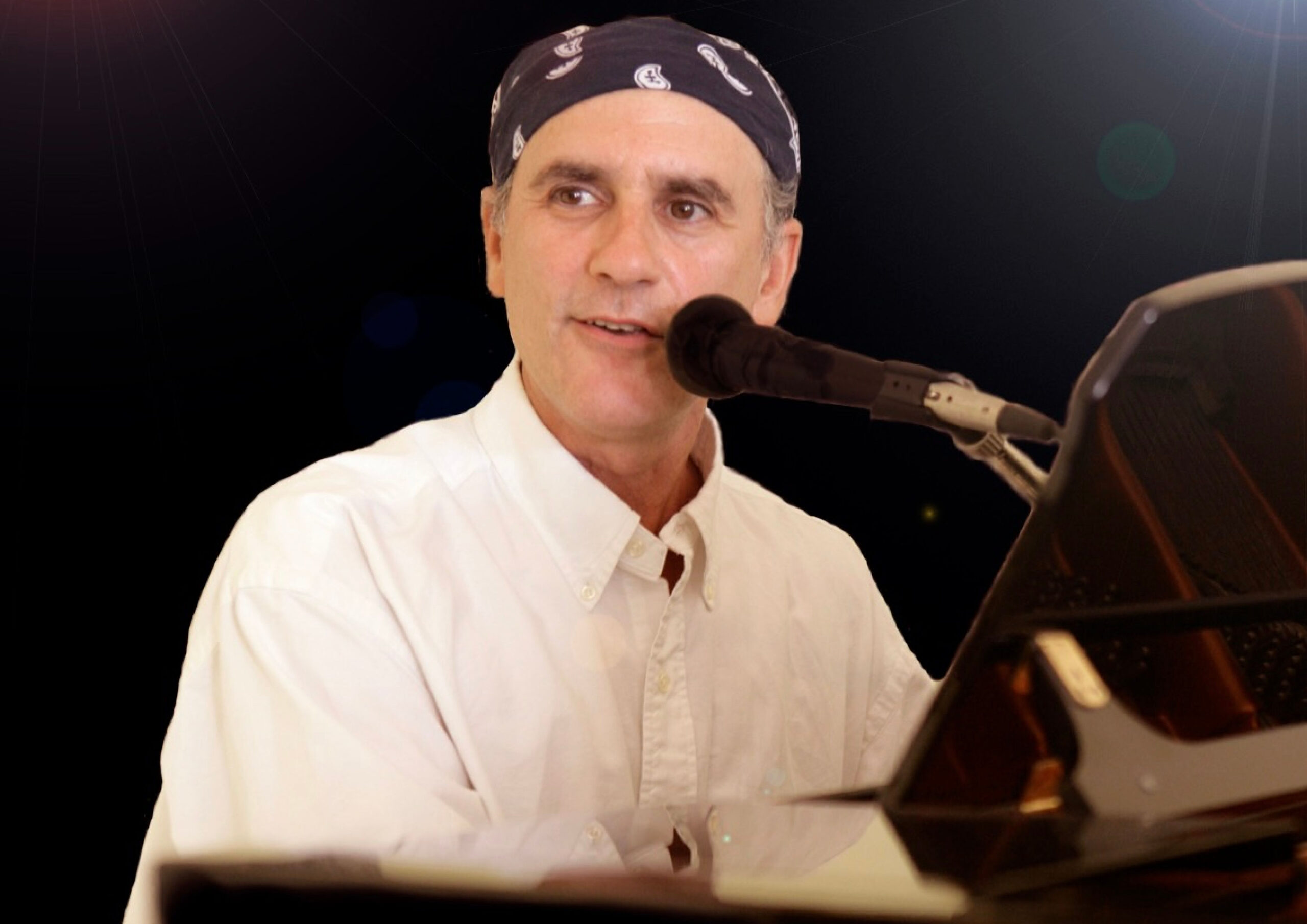
Gary Marks is an American singer-songwriter whose work has avoided industry demands, guided by artistic autonomy. He first emerged in the 1970s with three albums featuring musicians who would later become major figures in modern jazz, including guitarist John Scofield in his first-ever studio appearance, along with Paul McCandless (Oregon), Art Lande (ECM), David Samuels, and Mark Isham. Over the following decades, Marks continued writing and recording steadily, releasing eight additional undistributed albums while remaining outside conventional touring and promotional structures. And now Marks Shares his single ‘Sky High’ from his Unreleased LP A Whisper Can Change The World.
Hi Gary and thanks for taking the time out to speak with us at Musicology.
You’ve often written about the intersection of personal experience and larger social themes. Was ‘Sky High’ inspired by a specific moment in your life, or did it emerge more as a reflection on the world around you?
‘Sky High’ was one of those rare lyrical moments in a songwriter’s life when I just found myself profoundly happy! No suffering, no injustice that needed to be exposed in that moment. It was just a feeling of pure love for the person I was with, and a new revelation I had that sometimes — rarely but sometimes— love wins! Time doesn’t win, complications and rejection and resentment doesn’t win. Not this time. So I thought I would express what that felt like, and how it came to be: “You and I we never met, til I woke up from the dead myself.” Sometimes, if you really work hard enough to deserve it, love wins.
Balancing fatherhood with your creative life played a major role in the making of A Whisper Can Change the World. How did becoming a parent change your perspective as a songwriter and the kinds of stories you wanted to tell?
It made me want to communicate to my kids what real love actually is — what you have to do to deserve true love, and what it feels like. There is a deeper level of internal awareness and openness , and trust that leads to a higher form of love. That’s what Sky High, Anything, That’s What They Call a Life, and Just the Rain, are about.
But then there are also the political and environmental songs I wanted to share with them so they could assess the future clearly, like the title track, and Nobody’s Following. That song, Nobody’s Following, was about Bush’s ridiculous reaction to 9-11 by manufacturing enemies, bombing deserts and invading Iraq, instead of inviting all the sane countries and people of the world to declare World War III — but make it about defeating terrorism everywhere. The world was finally ready to get behind that kind of radical attempt and at least try. He blew it, and lost the trust of billions of people who were ready to join a cause for peace and global unity at that moment in history. I wanted my children to understand what a mistake that was, and now they do. Because they can see Trump making the same mistake with Iran. Nobody’s following him anymore now either. Nor should they have to begin with. Only fools follow fools.
When listeners hear ‘Sky High’ for the first time in 2026, what do you hope they take away from it, and what conversations or emotions do you hope the song inspires?
Good last question. Because despite all the environmental and political chaos we constantly face, and will face in the future, there must be time spent going inside, and finding the capacity to love fully, and feel freedom and joy day-to-day. Sky High goes there. I hope that while we also care about the world around us, we get to experience that joy of love winning over time. Because there is world history, then there is our history. Our individual history will change world history over time. So find love and joy. That’s what I hope the lyrics of the song inspire. To quote Crosby, Stills and Nash from long ago, “Rejoice, rejoice, we have no choice but to carry on.”