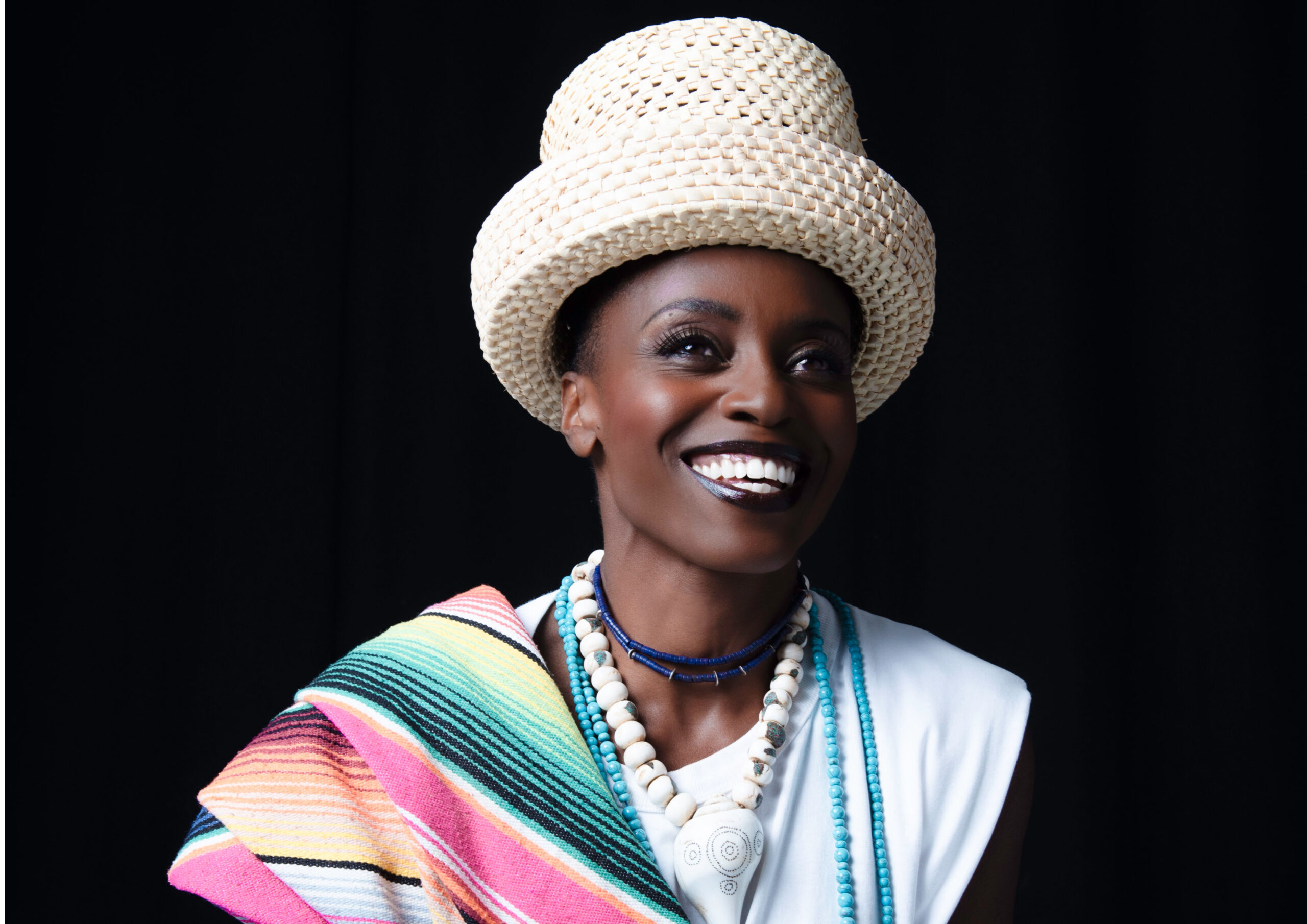
Having recently toured Australia and performed a string of sell-out shows, we took the chance to chat with the iconic outfit Morcheeba and founding member Ross Godfrey. Discussing the present tour and stepping back through the past, Godfrey revealed both the constants in the musical world and the pursuit of constant change and invention.
The current iteration of Morcheeba and the touring machine involved a lineup change and the double bill addition of James Lavelle a.k.a UNKLE. Both Morcheeba and UNKLE are synonymous with dance music, and while they individually occupy different positions along the musical spectrum, the overlaps are obvious and numerous. No small wonder then why the pair performed throughout Australia, yet it has been a long time in the making, as Godfrey explains, “I remember we went to see Mo’ Wax when we first started around 1995 with some demo tapes. James was pleasant but said he didn’t want to sign us to his label. 30 years later, we met again when Morcheeba headlined a music festival in South London’s Crystal Palace Park last summer, it was a great line-up with DJ Shadow, Jurassic 5 and Zero 7. When we asked if we could share the bill with UNKLE on our Australian tour, we thought it was a great idea.”
Another great, or at least serendipitous opportunity, was to include the depth and talent of the next generation. Specifically, that of vocalist Skye Edwards’s son, as Godfrey explains when recalling a moment that went on to impact the shape and form of their tour. “Another great turning point was when I asked Jaega, Skye’s son, to play drums in the live band. He brought such beautiful energy and passion that it rejuvenated us and made the last handful of world tours an absolute blast. He has just joined Gorillaz, which made us very proud, and we now have a brand-new drummer called Samson. Drummers are the most important members of the band!” The line-up changes within the band have been few and far between, considering the longevity of the English outfit, which in part has been one of the solidifying factors in their permanence and enduring lovability.
Spanning three decades as they have is an eon when it comes to musical perpetuity. And for all the clear reasons for success as such their multi-million record sales, awards, festival performances and collaborations, understanding what were some of the lesser-known moments that helped Morcheeba stay the course and navigate the fickle business of the industry is best covered by Godfrey when saying, “I remember changing record labels a lot early on, they all kinda ate each other, and we got sucked up into the major label machine, which was quite soul-destroying. It helped us gain fans worldwide, but nearly killed us in the process through the insane schedule that was thrust upon us. So about ten years ago, I started Fly Agaric Records, and everything we have done since then has been through that, so it feels like our music has a kinder home where the people we work with care for our vision and don’t trample over us on the way to make money like the corporate labels do.”
Perhaps easy to say in hindsight, but valuable insights nonetheless on how to survive the musical world and industry trappings. Especially so when the sound you make is considered niche, avant-garde, or experimental. Not the key selling points that necessarily land huge record deals. However, it can be the very format that makes industry insiders sit up and take notice. Something Godfrey recalls when reminiscing about their past and pioneering style, “We hated the term Trip Hop in the ’90’s, but now we find it quite cute. I think there were a few bands in UK who had similar ideas at the same time. We all loved old school U.S Hip Hop but wanted to use the production techniques to achieve something else, writing songs and having instruments played rather than just sampling old records. I remember really liking the first Portishead record and thinking they were doing something similar to us which gave us confidence; their success certainly made record companies more interested in that kind of music. We released Who Can You Trust a year or so later once we secured a record deal with China Records. On our second album, Big Calm, we tried mixing more diverse elements into the music, drawing on our love for blues, country, dub reggae, bossanova and acid rock. My brother Paul and I would say things like “what would it sound like if RZA produced a Nick Drake song?” Or “Imagine Electric Ladyland but with heavy beats and DJ scratching”. That’s where we were coming from.” And having helped carve out a definitive sound, it must be asked on a technical level, what were the fundamentals of the Morcheeba style that became their signature sound and the specific ways Edwards and brother Paul Godfrey employed those techniques? “Early on, we wrote tracks by mixing beats from Akai samplers with guitars and Wurlitzer pianos. Morcheeba always had a lot of space in the sound. We listened to a lot of soundtracks and loved the atmosphere. We smoked a lot of weed too, which probably influenced things. Later on, with the advent of Pro Tools, we used the tape machines less and started to edit and play around with sound digitally, which is faster but much less fun.”
Equal to the music, and just as telling, is the sentiment that belies the sounds Morcheeba make, which of course, is the lyricism. When questioned about some of the lines that meant the most to Godfrey after all these years and what they represent, he goes on to say “There is a thread that runs through most songs, and that is a love for people and nature, the things that nourish us, and reject the fabrications that those in authority hold over us like they are real. This line by Duke Garwood from The Edge of the World track on the LP Blackest Blue is one of my favourites….
Lay it on the line
We are bold, we are beautiful
Wide eyed and running
From the nothing
To the nothing
Flow slow
Sow the seed of light
Grow the fruit of love
A beautiful sentiment and poignant statement that neatly encapsulates what Morcheeba have always and continue to stand by. Understanding how these messages originate and echo through time is a point made by Godfrey when discussing how their music has responded to the world around them and the phases of life they find themselves traversing. “Our songs mirror our life stages; we express where we have got to by writing about how we feel in the moment. The actual way of recording changes with new technology, but the songs still come from a human heart. It is also cathartic to write about all the shit going on in the world, both on a personal and a global level.” Yet on a more historical and conceptual note, Godfrey describes what he has experienced in the musical landscape throughout the years. “It feels like music hasn’t really changed much in the last 25 years or so. From 1950 until 2000, music completely transformed every few years, then it just stopped developing around the millennium. I think the internet opened up people’s access to music, and it homogenised everything to the point where you can’t tell the difference anymore. Maybe Trip Hop was the last great genre? I still love real music made by real musicians and vocalists. It is refreshing that things like progressive Jazz is making a big comeback in the UK. It is the antithesis of the bland pop that clogs most radios and streaming services.”
A point, however – that when taken to its fullest and most philosophical – is what music gives Godfrey that nothing else does. “Music is the first ever art form. We played percussion and sang before inventing language, before art, before everything we know as human history. It is primeval. It expresses things that words cannot. It is pure and channels our deepest feelings. Monsters from the ID and psychedelic fractal patterns of harmony and rhythm dance out of our bodies into other people’s ears. I can’t think of anything more important than that.”
And that psychedelic element, when taken literally, draws Godfrey back to a time and performance that he will never forget. “I remember the second time we played Glastonbury, it was my 22nd birthday, and we were headlining the World Stage. I had eaten quite a lot of magic mushrooms, and the 40,000-strong crowd were singing along to Part of the Process, and it kinda hit me that it was one of those moments that you’ll cherish until you die. We have been lucky to be able to play such wonderful places all around the world. We did WomAdelaide a couple of years back, and that was very special as it was our first time in Adelaide, and the vibe was just blissful. We really love Australia.”
And a man who also was recently in Australia for his own tour, David Byrne, reminds Godfrey of an exchange he had with the great man and what he took away from it, which altered the way he forever approached music. “I remember asking David what chords he was playing on a song we were working on, and he said X and Y. It made me let go of hang-ups about making everything perfect or things always making sense. Music is abstract, embrace the chaos!” An apt statement and unsurprising one from Byrne but the ultimate gift is one that he, Morcheeba and the legions of endearing fans can attest to, is that, music will forever be, and how it is defined is a minor footnote in the history books that academic’s will argue over, and that the real legacy of good music is that it reverberates endlessly.